
Acupuncture
Acupuncture has been applied for thousands of years, based on Channel Theory, which centres around the presence and flow of Qi (pronounced ‘chee’) and blood in the body, and Traditional Chinese Medicine Theory.
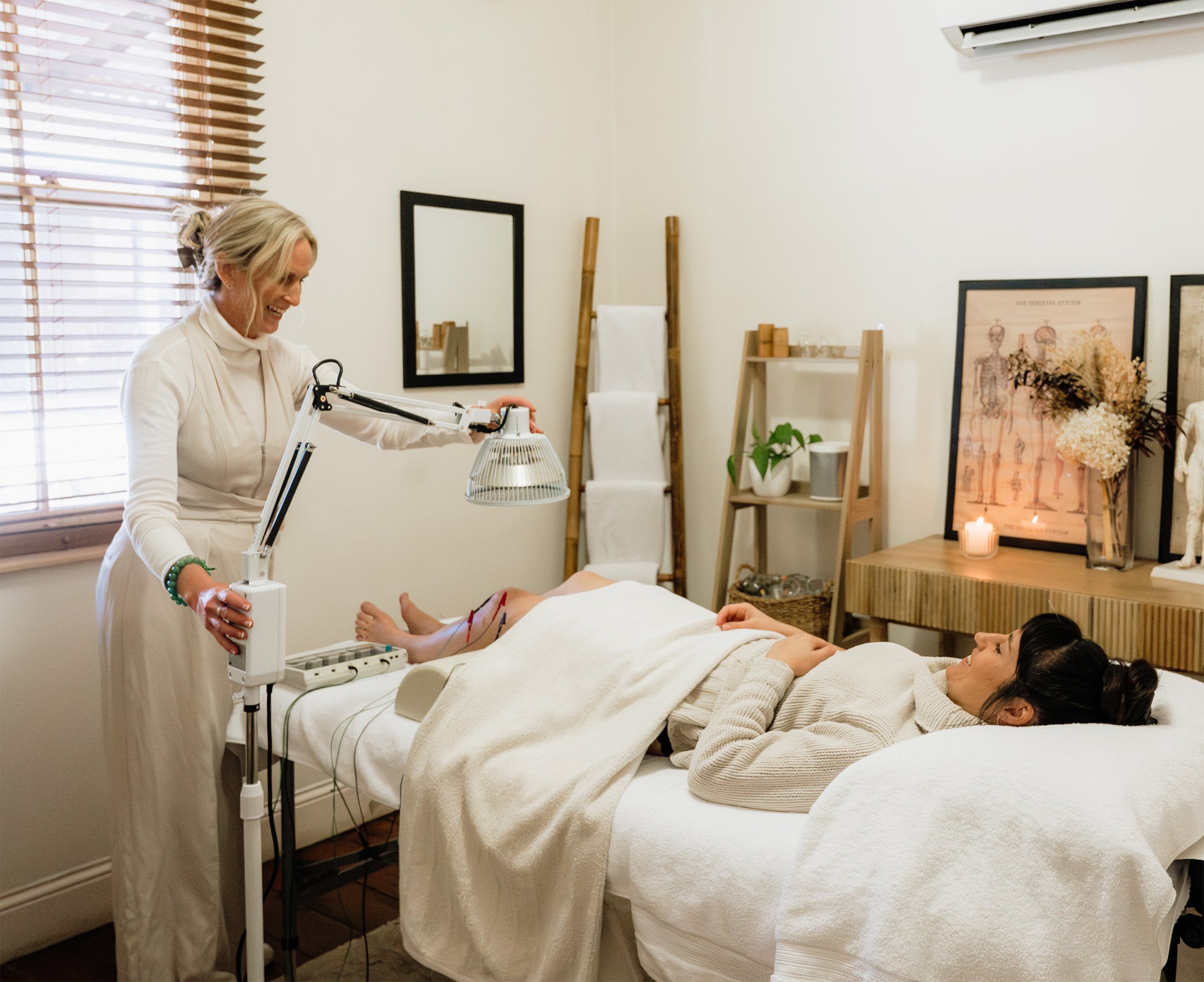
It involves the insertion of very fine, sterile needles into specific points on the body to support the flow of energy, or Qi. These points lie along energetic pathways known as meridians, which correspond to various organs and systems in the body.
Rather than treating symptoms in isolation, acupuncture takes into account the whole person, body, mind, and spirit. Therefore treatment can also include cupping, moxibustion, dietary guidance, lifestyle advice and traditional chinese medicine (TCM). This makes it a popular choice for those seeking a natural, integrated approach to wellness.
Acupuncture aims to restore balance and stimulate the body’s natural healing responses. It can be used to support a wide range of concerns, from stress and sleep issues to digestive discomfort, hormonal imbalances, pain, and more. Sessions are typically calming and deeply relaxing, often leaving clients with a sense of groundedness and renewed vitality.
To be an Acupuncturist, a practitioner must complete a Bachelor of Health Science (Acupuncture) or Bachelor of Traditional Chinese Medicine, both typically four-year university degrees, plus meet clinical, and regulatory requirements.
After graduating, qualified Acupuncturists must demonstrate their eligibility to become registered with the Chinese Medicine Board of Australia in order to use the title ‘Acupuncturist.’
Acupuncture is a regulated health profession under the Australian Health Practitioner Regulation Agency (AHPRA), and practitioners must be registered with the Chinese Medicine Board of Australia (CMBA).
Reasons people choose acupuncture:
Improves wellbeing
Reduces stress hormones
May improve nervous system function
May modulate the immune system
May improve hormone regulation
Promotes blood flow throughout the body
Regulates blood flow to reproductive organs
Assists in healthy sperm production
Regulates menstrual cycle
Regulates ovarian & pituitary axis function
Reduces pain & improves movement, and more